
Invoicing Software and ZATCA Requirements
Invoicing Software and ZATCA Requirements.

When looking for invoicing software that meets ZATCA requirements in Saudi Arabia, knowing a solution's name or reading a generic feature list is not enough. A sound decision begins with understanding your business procedures, invoice types, and transaction volumes, followed by testing how invoices are issued, stored, and reviewed. This guide provides practical steps for distinguishing regulatory requirements from day-to-day operational needs, with references to the Zakat, Tax and Customs Authority (ZATCA) where appropriate.
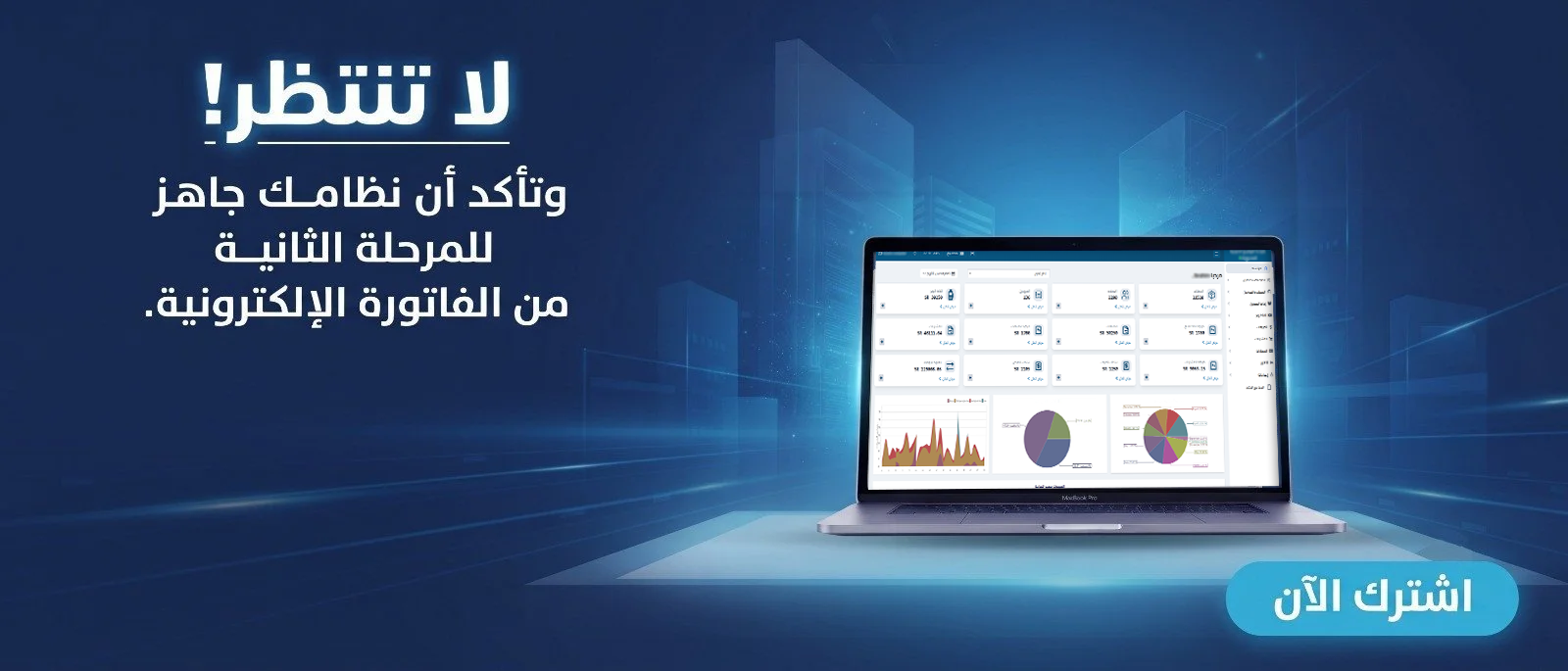
The Zakat, Tax and Customs Authority defines an electronic invoice as an invoice issued and stored in a structured electronic format through an electronic system, rather than merely an image or a manually prepared file. The issuance and storage phase took effect on December 4, 2021, while the integration and connectivity phase began to be introduced gradually on January 1, 2023. A business’s specific obligations depend on the invoice type and the implementation phase that applies to it.
What Should You Understand Before Getting Started?
Invoicing software intended to meet ZATCA requirements is part of an end-to-end process that starts with recording a sale and ends with storing a document that can be retrieved later. When Phase Two requirements apply, this process may also include exchanging data with the Fatoora platform. It is therefore important to distinguish between choosing suitable software and demonstrating its compatibility with the business scenarios relevant to your establishment. Descriptions such as “approved” or “best” should not be treated as regulatory guarantees without specific evidence.
Business owners commonly search for “software compatible with ZATCA requirements,” “electronic invoicing requirements,” and “Saudi invoicing system.” Although these terms are related, search intent may vary between purchasing a product, understanding regulations, and resolving a technical problem. This article focuses on what compatibility means, rather than assuming official approval, and examines the remaining considerations from a practical perspective to avoid duplicating general invoicing guides.
Compatibility, Not Official Approval
For the “Compatibility, Not Official Approval” aspect of invoicing software aligned with ZATCA requirements, begin by documenting your business’s current situation: the types of customers, the number of invoices, the channels through which invoices are issued, and the people responsible for reviewing them. Then define the desired outcome precisely: is the aim to reduce errors, speed up processing, improve traceability, or prepare for regulatory requirements? Priorities differ from one activity to another, so do not copy another business’s settings without testing them.
Practical Goal — Compatibility, Not Official Approval
Start by identifying the decision this step should support: who performs it, which document they rely on, and when the process is considered complete. Clear responsibilities make errors easier to identify and reduce dependence on one employee’s personal judgment. A function appearing on the software’s feature list is not enough; it must work consistently with your business’s actual scenarios.
Practical Scenario — Compatibility, Not Official Approval
Imagine a Saudi retail store that issues daily sales invoices and handles returns, discounts, and different payment methods. First, test the scenario with sample data. Then reconcile the invoice against the sales record, the accounting entry, and the tax information. If differences appear, document the cause before proceeding, rather than correcting the outcome manually at the end of the month.
Verification Checklist — Compatibility, Not Official Approval
Check user permissions, the accuracy of fields, how the electronic copy is stored, and whether you can export a record for later review. Also test connection interruptions, duplicate submissions, changes to customer details, and error handling. Implementation details vary by invoice type and the applicable compliance phase, so do not treat an operational checklist as a replacement for official regulatory documents.
To explore operational considerations further, review the accounting and point-of-sale system and make sure the service meets your actual needs.
Verifying the Applicable Phase
For the “Verifying the Applicable Phase” aspect of invoicing software aligned with ZATCA requirements, begin by documenting your business’s current situation: the types of customers, the number of invoices, the channels through which invoices are issued, and the people responsible for reviewing them. Then define the desired outcome precisely: is the aim to reduce errors, speed up processing, improve traceability, or prepare for regulatory requirements? Priorities differ from one activity to another, so do not copy another business’s settings without testing them.
Practical Goal — Verifying the Applicable Phase
Start by identifying the decision this step should support: who performs it, which document they rely on, and when the process is considered complete. Clear responsibilities make errors easier to identify and reduce dependence on one employee’s personal judgment. A function appearing on the software’s feature list is not enough; it must work consistently with your business’s actual scenarios.
Practical Scenario — Verifying the Applicable Phase
Imagine a Saudi retail store that issues daily sales invoices and handles returns, discounts, and different payment methods. First, test the scenario with sample data. Then reconcile the invoice against the sales record, the accounting entry, and the tax information. If differences appear, document the cause before proceeding, rather than correcting the outcome manually at the end of the month.
Verification Checklist — Verifying the Applicable Phase
Check user permissions, the accuracy of fields, how the electronic copy is stored, and whether you can export a record for later review. Also test connection interruptions, duplicate submissions, changes to customer details, and error handling. Implementation details vary by invoice type and the applicable compliance phase, so do not treat an operational checklist as a replacement for official regulatory documents.
For related operational processes, see purchasing management as a contextual resource, not as a substitute for official guidance.
To compare implementation options, you can request a demonstration after preparing a list of the scenarios you need to test.
Mandatory Invoice Fields
For the “Mandatory Invoice Fields” aspect of invoicing software aligned with ZATCA requirements, begin by documenting your business’s current situation: the types of customers, the number of invoices, the channels through which invoices are issued, and the people responsible for reviewing them. Then define the desired outcome precisely: is the aim to reduce errors, speed up processing, improve traceability, or prepare for regulatory requirements? Priorities differ from one activity to another, so do not copy another business’s settings without testing them.
Practical Goal — Mandatory Invoice Fields
Start by identifying the decision this step should support: who performs it, which document they rely on, and when the process is considered complete. Clear responsibilities make errors easier to identify and reduce dependence on one employee’s personal judgment. A function appearing on the software’s feature list is not enough; it must work consistently with your business’s actual scenarios.
Practical Scenario — Mandatory Invoice Fields
Imagine a Saudi retail store that issues daily sales invoices and handles returns, discounts, and different payment methods. First, test the scenario with sample data. Then reconcile the invoice against the sales record, the accounting entry, and the tax information. If differences appear, document the cause before proceeding, rather than correcting the outcome manually at the end of the month.
Verification Checklist — Mandatory Invoice Fields
Check user permissions, the accuracy of fields, how the electronic copy is stored, and whether you can export a record for later review. Also test connection interruptions, duplicate submissions, changes to customer details, and error handling. Implementation details vary by invoice type and the applicable compliance phase, so do not treat an operational checklist as a replacement for official regulatory documents.
To explore operational considerations further, review purchasing management and make sure the service meets your actual needs.
File Formats and Storage
For the “File Formats and Storage” aspect of invoicing software aligned with ZATCA requirements, begin by documenting your business’s current situation: the types of customers, the number of invoices, the channels through which invoices are issued, and the people responsible for reviewing them. Then define the desired outcome precisely: is the aim to reduce errors, speed up processing, improve traceability, or prepare for regulatory requirements? Priorities differ from one activity to another, so do not copy another business’s settings without testing them.
Practical Goal — File Formats and Storage
Start by identifying the decision this step should support: who performs it, which document they rely on, and when the process is considered complete. Clear responsibilities make errors easier to identify and reduce dependence on one employee’s personal judgment. A function appearing on the software’s feature list is not enough; it must work consistently with your business’s actual scenarios.
Practical Scenario — File Formats and Storage
Imagine a Saudi retail store that issues daily sales invoices and handles returns, discounts, and different payment methods. First, test the scenario with sample data. Then reconcile the invoice against the sales record, the accounting entry, and the tax information. If differences appear, document the cause before proceeding, rather than correcting the outcome manually at the end of the month.
Verification Checklist — File Formats and Storage
Check user permissions, the accuracy of fields, how the electronic copy is stored, and whether you can export a record for later review. Also test connection interruptions, duplicate submissions, changes to customer details, and error handling. Implementation details vary by invoice type and the applicable compliance phase, so do not treat an operational checklist as a replacement for official regulatory documents.
For related operational processes, see customer service management as a contextual resource, not as a substitute for official guidance.
To compare implementation options, you can review subscription plans after preparing a list of the scenarios you need to test.
Managing Notifications
For the “Managing Notifications” aspect of invoicing software aligned with ZATCA requirements, begin by documenting your business’s current situation: the types of customers, the number of invoices, the channels through which invoices are issued, and the people responsible for reviewing them. Then define the desired outcome precisely: is the aim to reduce errors, speed up processing, improve traceability, or prepare for regulatory requirements? Priorities differ from one activity to another, so do not copy another business’s settings without testing them.
Practical Goal — Managing Notifications
Start by identifying the decision this step should support: who performs it, which document they rely on, and when the process is considered complete. Clear responsibilities make errors easier to identify and reduce dependence on one employee’s personal judgment. A function appearing on the software’s feature list is not enough; it must work consistently with your business’s actual scenarios.
Practical Scenario — Managing Notifications
Imagine a Saudi retail store that issues daily sales invoices and handles returns, discounts, and different payment methods. First, test the scenario with sample data. Then reconcile the invoice against the sales record, the accounting entry, and the tax information. If differences appear, document the cause before proceeding, rather than correcting the outcome manually at the end of the month.
Verification Checklist — Managing Notifications
Check user permissions, the accuracy of fields, how the electronic copy is stored, and whether you can export a record for later review. Also test connection interruptions, duplicate submissions, changes to customer details, and error handling. Implementation details vary by invoice type and the applicable compliance phase, so do not treat an operational checklist as a replacement for official regulatory documents.
To explore operational considerations further, review customer service management and make sure the service meets your actual needs.
Security and Tamper Prevention
For the “Security and Tamper Prevention” aspect of invoicing software aligned with ZATCA requirements, begin by documenting your business’s current situation: the types of customers, the number of invoices, the channels through which invoices are issued, and the people responsible for reviewing them. Then define the desired outcome precisely: is the aim to reduce errors, speed up processing, improve traceability, or prepare for regulatory requirements? Priorities differ from one activity to another, so do not copy another business’s settings without testing them.
Practical Goal — Security and Tamper Prevention
Start by identifying the decision this step should support: who performs it, which document they rely on, and when the process is considered complete. Clear responsibilities make errors easier to identify and reduce dependence on one employee’s personal judgment. A function appearing on the software’s feature list is not enough; it must work consistently with your business’s actual scenarios.
Practical Scenario — Security and Tamper Prevention
Imagine a Saudi retail store that issues daily sales invoices and handles returns, discounts, and different payment methods. First, test the scenario with sample data. Then reconcile the invoice against the sales record, the accounting entry, and the tax information. If differences appear, document the cause before proceeding, rather than correcting the outcome manually at the end of the month.
Verification Checklist — Security and Tamper Prevention
Check user permissions, the accuracy of fields, how the electronic copy is stored, and whether you can export a record for later review. Also test connection interruptions, duplicate submissions, changes to customer details, and error handling. Implementation details vary by invoice type and the applicable compliance phase, so do not treat an operational checklist as a replacement for official regulatory documents.
For related operational processes, see distribution solutions as a contextual resource, not as a substitute for official guidance.
To compare implementation options, you can start registering your business after preparing a list of the scenarios you need to test.
Testing Sales Scenarios
For the “Testing Sales Scenarios” aspect of invoicing software aligned with ZATCA requirements, begin by documenting your business’s current situation: the types of customers, the number of invoices, the channels through which invoices are issued, and the people responsible for reviewing them. Then define the desired outcome precisely: is the aim to reduce errors, speed up processing, improve traceability, or prepare for regulatory requirements? Priorities differ from one activity to another, so do not copy another business’s settings without testing them.
Practical Goal — Testing Sales Scenarios
Start by identifying the decision this step should support: who performs it, which document they rely on, and when the process is considered complete. Clear responsibilities make errors easier to identify and reduce dependence on one employee’s personal judgment. A function appearing on the software’s feature list is not enough; it must work consistently with your business’s actual scenarios.
Practical Scenario — Testing Sales Scenarios
Imagine a Saudi retail store that issues daily sales invoices and handles returns, discounts, and different payment methods. First, test the scenario with sample data. Then reconcile the invoice against the sales record, the accounting entry, and the tax information. If differences appear, document the cause before proceeding, rather than correcting the outcome manually at the end of the month.
Verification Checklist — Testing Sales Scenarios
Check user permissions, the accuracy of fields, how the electronic copy is stored, and whether you can export a record for later review. Also test connection interruptions, duplicate submissions, changes to customer details, and error handling. Implementation details vary by invoice type and the applicable compliance phase, so do not treat an operational checklist as a replacement for official regulatory documents.
To explore operational considerations further, review distribution solutions and make sure the service meets your actual needs.
Documenting Verification Results
For the “Documenting Verification Results” aspect of invoicing software aligned with ZATCA requirements, begin by documenting your business’s current situation: the types of customers, the number of invoices, the channels through which invoices are issued, and the people responsible for reviewing them. Then define the desired outcome precisely: is the aim to reduce errors, speed up processing, improve traceability, or prepare for regulatory requirements? Priorities differ from one activity to another, so do not copy another business’s settings without testing them.
Practical Goal — Documenting Verification Results
Start by identifying the decision this step should support: who performs it, which document they rely on, and when the process is considered complete. Clear responsibilities make errors easier to identify and reduce dependence on one employee’s personal judgment. A function appearing on the software’s feature list is not enough; it must work consistently with your business’s actual scenarios.
Practical Scenario — Documenting Verification Results
Imagine a Saudi retail store that issues daily sales invoices and handles returns, discounts, and different payment methods. First, test the scenario with sample data. Then reconcile the invoice against the sales record, the accounting entry, and the tax information. If differences appear, document the cause before proceeding, rather than correcting the outcome manually at the end of the month.
Verification Checklist — Documenting Verification Results
Check user permissions, the accuracy of fields, how the electronic copy is stored, and whether you can export a record for later review. Also test connection interruptions, duplicate submissions, changes to customer details, and error handling. Implementation details vary by invoice type and the applicable compliance phase, so do not treat an operational checklist as a replacement for official regulatory documents.
For related operational processes, see Nezami services as a contextual resource, not as a substitute for official guidance.
To compare implementation options, you can discuss your requirements with the team after preparing a list of the scenarios you need to test.
You may also find it helpful to review the accounting and point-of-sale system to understand how invoicing relates to sales.
Ready to Try the System?
Start your free trial or speak with the sales team to help choose the right solution.
A Practical Implementation Plan Within Your Business
1. Inventory and Classification of Existing Invoices: Assign an owner, deadline, and acceptance criterion to this task, then retain evidence of what was tested and the result. Do not approve a step simply because a success message appeared on screen. Review the electronic document and transaction log, and resolve exceptions before rolling out the procedure more widely.
2. Defining Responsibilities and Permissions: Assign an owner, deadline, and acceptance criterion to this task, then retain evidence of what was tested and the result. Do not approve a step simply because a success message appeared on screen. Review the electronic document and transaction log, and resolve exceptions before rolling out the procedure more widely.
3. Preparing Realistic Test Data: Assign an owner, deadline, and acceptance criterion to this task, then retain evidence of what was tested and the result. Do not approve a step simply because a success message appeared on screen. Review the electronic document and transaction log, and resolve exceptions before rolling out the procedure more widely.
4. Testing Invoices and Notifications: Assign an owner, deadline, and acceptance criterion to this task, then retain evidence of what was tested and the result. Do not approve a step simply because a success message appeared on screen. Review the electronic document and transaction log, and resolve exceptions before rolling out the procedure more widely.
5. Reviewing Accounting and Tax Effects: Assign an owner, deadline, and acceptance criterion to this task, then retain evidence of what was tested and the result. Do not approve a step simply because a success message appeared on screen. Review the electronic document and transaction log, and resolve exceptions before rolling out the procedure more widely.
6. Documenting Errors and Retesting: Assign an owner, deadline, and acceptance criterion to this task, then retain evidence of what was tested and the result. Do not approve a step simply because a success message appeared on screen. Review the electronic document and transaction log, and resolve exceptions before rolling out the procedure more widely.
7. Training Employees on Recurring Scenarios: Assign an owner, deadline, and acceptance criterion to this task, then retain evidence of what was tested and the result. Do not approve a step simply because a success message appeared on screen. Review the electronic document and transaction log, and resolve exceptions before rolling out the procedure more widely.
8. Monitoring Results After Go-Live: Assign an owner, deadline, and acceptance criterion to this task, then retain evidence of what was tested and the result. Do not approve a step simply because a success message appeared on screen. Review the electronic document and transaction log, and resolve exceptions before rolling out the procedure more widely.
Frequently Asked Questions
Is buying invoicing software advertised as meeting ZATCA requirements enough to ensure compliance?
No. You must identify the requirements that apply to your business, test the solution’s configuration and workflows, and refer to the Authority’s latest documentation.
Does a PDF image alone count as an electronic invoice?
Not necessarily. The official definition requires an invoice to be issued and stored in a structured electronic format through an electronic system. The detailed formats vary according to the implementation phase.
Did Phase Two become mandatory for every business on the same date?
No. The integration and connectivity phase is being implemented gradually for groups determined by the Authority, with affected businesses receiving notifications.
How can I test the system before relying on it?
Test a standard invoice, a return, a discount, and an unstable internet connection. Then review the documents, accounting entries, logs, and data-exchange results where integration applies.
Does describing software as “approved” mean that ZATCA guarantees it?
You should not assume so. Request specific evidence of compliance and review the official requirements. Compatibility must be verified within your own business environment.
Conclusion
Choosing or operating invoicing software that meets ZATCA requirements is not an isolated technical decision. It is a focused project for organizing data, processes, and responsibilities. Start with the most common use case, then move on to exceptions. Do not overlook the Authority’s requirements or your team’s ability to resolve errors. Document verification results and revisit them whenever the system is updated or the scope of your obligations changes.
If you would like to assess your business’s needs, explore the available options. You can also explore Nezami services for additional information about available solutions.
Official Sources to Review Before Publishing
Definition of Electronic Invoicing and Invoice Types
Electronic Invoicing Rollout Phases
Guidelines and Educational Materials
SEO and Editorial Details (Not Part of the Article Body)
SEO Title: Invoicing Software and ZATCA Requirements: What to Verify
Meta Description: A practical guide to invoicing software and ZATCA requirements in Saudi Arabia, covering verification steps, common mistakes, regulatory obligations, and informed business decisions.
Primary Keyword: ZATCA invoicing software
Secondary Keywords: software compatible with ZATCA requirements, electronic invoicing requirements, Saudi invoicing system, ZATCA invoice requirements, verifying invoicing software compatibility
Editorial Note: Check for overlap in search intent with existing website pages before creating a new URL. Review updates from the Authority and any new mandatory rollout waves before publication. Do not attribute a feature or compliance certification to Nezami without supporting documentation.
Manage Your Business with Greater Flexibility
Try Digital Business for free. Start issuing electronic invoices designed to meet ZATCA requirements in minutes.