
Restaurant Accounting System: How to Manage Recipes, Costs, and Waste

If you run a restaurant serving a variety of dishes, choosing a restaurant accounting system does not begin with a long list of features. It begins with a simple question: Can the system help you control recipes, the cost of each dish, and waste without complicating daily operations? This guide explains what you need to know, what to test, and how to compare options based on real operational scenarios in the Saudi market.
What Problem Should the System Solve?
A restaurant accounting system becomes necessary when ingredient costs, changes in supplier prices, daily waste, and the profitability of menu items are tracked across separate notebooks, files, or screens that do not share data. The first step is to document the current workflow: who initiates each process, who reviews it, where its results are stored, and which error occurs most often. A provider’s promise of numerous reports is not enough if the underlying data is incomplete.
Practical example: In a restaurant serving a varied menu, a problem may seem minor at first, but its impact grows when it recurs every day. The person in charge should therefore define a clear measurement point for recipes, dish costs, and waste, and document the test results before adopting a new workflow. Also ask how exceptions are handled, not just ideal transactions.
To explore this point further, review the POS system, then compare the guidance with your establishment’s needs.
How Does the Daily Workflow Operate, Step by Step?
Start with a clearly defined event in a restaurant serving a varied menu: record a transaction, review its financial and operational impact, and reconcile it at the end of the day. Users should be able to open the original document from a report, and permitted changes should appear in an auditable log. Test the cost of each recipe before setting its selling price; do not rely on a screenshot or a recorded demonstration alone.
Practical example: In a restaurant serving a varied menu, a problem may seem minor at first, but its impact grows when it recurs every day. The person in charge should therefore define a clear measurement point for recipes, dish costs, and waste, and document the test results before adopting a new workflow. Also ask how exceptions are handled, not just ideal transactions.
To explore this point further, review the accounting and POS system, then compare the guidance with your establishment’s needs.
If you want to test these steps in practice, you can review pricing options after defining your requirements.
Essential Data to Prepare
Prepare the names of items or services, related accounts, users, branches or work locations, applicable taxes, payment methods, and opening balances where relevant. Data quality matters as much as the system itself: entering a duplicate item or an incorrect account can lead to confusing reports, no matter how good the software interface is.
Practical example: In a restaurant serving a varied menu, a problem may seem minor at first, but its impact grows when it recurs every day. The person in charge should therefore define a clear measurement point for recipes, dish costs, and waste, and document the test results before adopting a new workflow. Also ask how exceptions are handled, not just ideal transactions.
To explore this point further, review the sales system, then compare the guidance with your establishment’s needs.
How Can You Measure the System’s Impact on Time and Cost?
Choose three indicators before starting, such as the time needed to record a transaction, the number of corrections, and the time required to generate a management report. Compare the previous situation with the results of a specific trial after training. Avoid assuming savings or growth percentages without measurement, and review direct costs such as subscriptions, setup, training, and integration with other systems.
Practical example: In a restaurant serving a varied menu, a problem may seem minor at first, but its impact grows when it recurs every day. The person in charge should therefore define a clear measurement point for recipes, dish costs, and waste, and document the test results before adopting a new workflow. Also ask how exceptions are handled, not just ideal transactions.
To explore this point further, review procurement management, then compare the guidance with your establishment’s needs.
If you want to test these steps in practice, you can request a demonstration after defining your requirements.
Permissions and Internal Controls
Specify who may create, edit, cancel, and approve transactions, and who can view sensitive reports. Separate transaction processing from review whenever the nature of the business allows it. A clear change log helps explain discrepancies rather than relying on employees’ memories, especially when there are multiple shifts or branches.
Practical example: In a restaurant serving a varied menu, a problem may seem minor at first, but its impact grows when it recurs every day. The person in charge should therefore define a clear measurement point for recipes, dish costs, and waste, and document the test results before adopting a new workflow. Also ask how exceptions are handled, not just ideal transactions.
To explore this point further, review the e-invoicing software, then compare the guidance with your establishment’s needs.
Reports Worth Paying Attention To
A useful report answers a specific business question. Request one report on daily activity, another on discrepancies or exceptions, and a third on performance over a comparison period. Make sure results can be filtered by date, user, and branch, and that totals match the original documents before relying on them.
Practical example: In a restaurant serving a varied menu, a problem may seem minor at first, but its impact grows when it recurs every day. The person in charge should therefore define a clear measurement point for recipes, dish costs, and waste, and document the test results before adopting a new workflow. Also ask how exceptions are handled, not just ideal transactions.
To explore this point further, review sales and purchases accounting, then compare the guidance with your establishment’s needs.
If you want to test these steps in practice, you can start registration after defining your requirements.
Integration with Sales, Inventory, and Accounting
When departments work in isolation, data must be entered repeatedly and the risk of inconsistencies increases. Test what happens after calculating each recipe’s cost before setting its selling price: Do the relevant balances update? Can the transaction be traced from its starting point to the accounting entry or report? Ask about the actual scope of integration and whether it requires additional setup or separate fees.
Practical example: In a restaurant serving a varied menu, a problem may seem minor at first, but its impact grows when it recurs every day. The person in charge should therefore define a clear measurement point for recipes, dish costs, and waste, and document the test results before adopting a new workflow. Also ask how exceptions are handled, not just ideal transactions.
To explore this point further, review inventory management, then compare the guidance with your establishment’s needs.
E-Invoicing and Saudi Regulatory Obligations
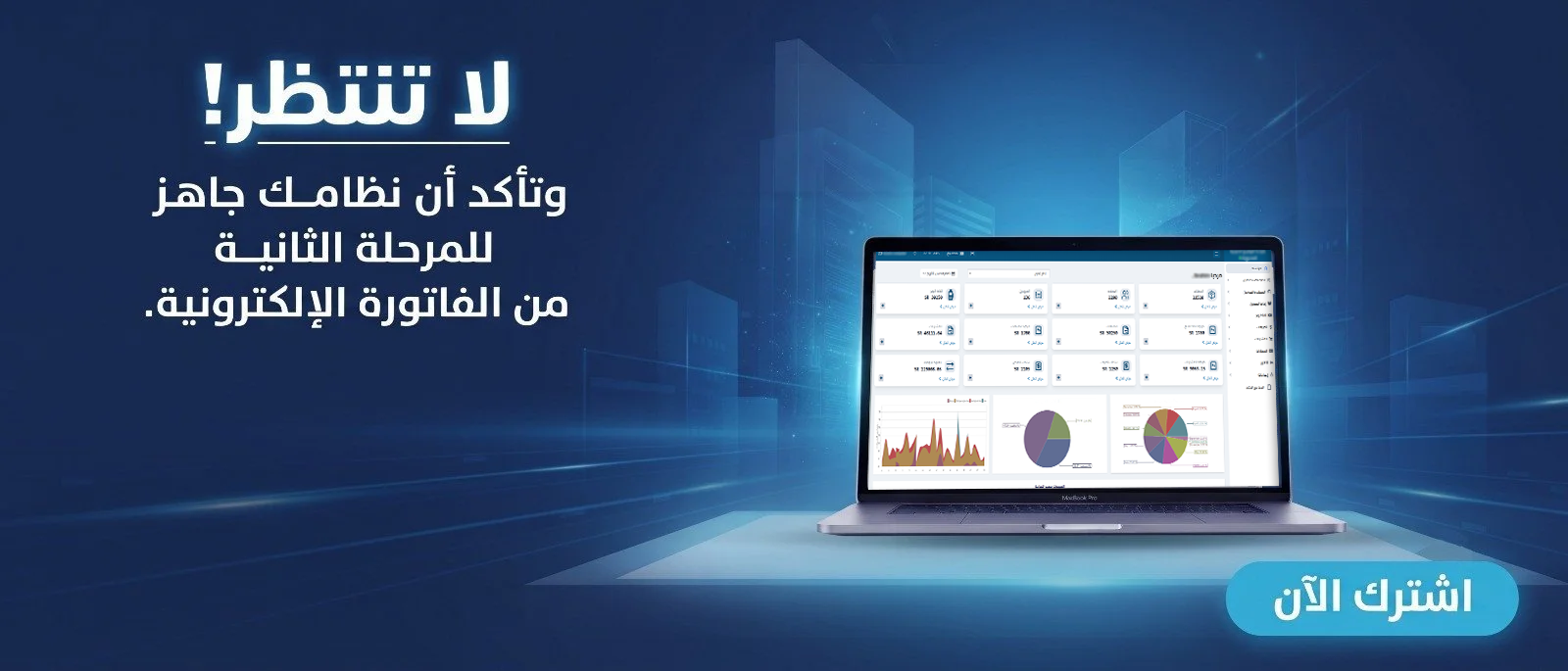
If your establishment is subject to e-invoicing requirements, test the issuance, storage, and correction of the appropriate document in accordance with the requirements applicable to it. Having an “electronic invoice” button does not automatically mean the system is compliant. Review the current guidance of the Zakat, Tax and Customs Authority (ZATCA), and agree with the provider on responsibility for configuration, updates, and integration where Phase Two applies.
Practical example: In a restaurant serving a varied menu, a problem may seem minor at first, but its impact grows when it recurs every day. The person in charge should therefore define a clear measurement point for recipes, dish costs, and waste, and document the test results before adopting a new workflow. Also ask how exceptions are handled, not just ideal transactions.
To explore this point further, review financial reports, then compare the guidance with your establishment’s needs.
How Should You Test the System Before Signing a Contract?
Run a normal sales scenario, another involving a permitted modification, then a return or correction, and finally an end-of-period report. Ask for these scenarios to be demonstrated using data similar to your business, rather than only idealized sample data. Record the time taken, errors, and resolution steps, and repeat the test with more than one employee to assess how easy the system is to learn.
Practical example: In a restaurant serving a varied menu, a problem may seem minor at first, but its impact grows when it recurs every day. The person in charge should therefore define a clear measurement point for recipes, dish costs, and waste, and document the test results before adopting a new workflow. Also ask how exceptions are handled, not just ideal transactions.
To explore this point further, review internal accounting controls, then compare the guidance with your establishment’s needs.

If you want to test these steps in practice, you can request a demonstration after defining your requirements.
Common Mistakes When Choosing a System
Common mistakes include comparing prices without understanding the number of users and branches, relying on verbal promises about updates, overlooking a data migration plan, and buying features the business does not need. The biggest mistake is ignoring real operating procedures. Tie each essential requirement to a written acceptance test before going live.
Practical example: In a restaurant serving a varied menu, a problem may seem minor at first, but its impact grows when it recurs every day. The person in charge should therefore define a clear measurement point for recipes, dish costs, and waste, and document the test results before adopting a new workflow. Also ask how exceptions are handled, not just ideal transactions.
To explore this point further, review accounting software pricing, then compare the guidance with your establishment’s needs.
A Practical Four-Week Implementation Plan
Use the first week to gather requirements and clean the data, the second to configure users and permissions, the third to test transactions and reports, and the fourth for training and reviewing results. This timeline is an organizational example, not a promise of a fixed implementation period; actual timing may vary with the size of the establishment, the integrations required, and the complexity of data migration.
Practical example: In a restaurant serving a varied menu, a problem may seem minor at first, but its impact grows when it recurs every day. The person in charge should therefore define a clear measurement point for recipes, dish costs, and waste, and document the test results before adopting a new workflow. Also ask how exceptions are handled, not just ideal transactions.
When Should You Reassess Your Choice?
Reassess the system if the number of branches changes, transaction volume doubles, or new regulatory requirements emerge. Monitor user complaints, repeated manual reconciliations, and difficulties obtaining accurate reports. The solution may be to adjust settings or provide training rather than replace the entire system.
Practical example: In a restaurant serving a varied menu, a problem may seem minor at first, but its impact grows when it recurs every day. The person in charge should therefore define a clear measurement point for recipes, dish costs, and waste, and document the test results before adopting a new workflow. Also ask how exceptions are handled, not just ideal transactions.
If you want to test these steps in practice, you can review pricing options after defining your requirements.
Ready to Try the System?
Start your free trial or speak with the sales team to help choose the right solution.
A Short Checklist Before Choosing
• Can you test a complete transaction using your establishment’s own data?
• Are there clear user permissions and an audit trail of changes?
• Do the reports match the source documents?
• Have costs, training, and support been clarified in writing?
• Is there a plan for storing and restoring data?
• Has the scope of regulatory compliance been defined where needed?
Frequently Asked Questions
Is this type of system suitable for every establishment?
Not necessarily. Suitability depends on the size of the business, its processes, budget, and required integrations.
Can you start with only a few users?
Ask about the minimum number of users, the permitted user limit, the ability to scale, and the associated costs.
Are ready-made reports enough?
No. You should test data accuracy and your ability to access the documents on which the reports are based.
What is the most important test before buying?
Test the cost of each recipe before setting the selling price, then review its effect on the relevant report and balance.
Does a cloud-based system always work without an internet connection?
Not necessarily. Offline operation and synchronization differ by product and subscription plan.
Does implementation require training?
Usually, yes. Even a simple interface requires clear permissions, procedures, and review responsibilities.
Conclusion
Choosing the right restaurant accounting system means knowing what you want to improve in recipes, dish costs, and waste, and testing those improvements before signing a contract. Start with specific processes, review accuracy, permissions, and cost, and then expand implementation gradually. Do not let a marketing promise replace a clear, documented test.
Manage Your Business with Greater Flexibility
Try Digital Business for free. Start issuing electronic invoices designed to meet ZATCA requirements in minutes.